

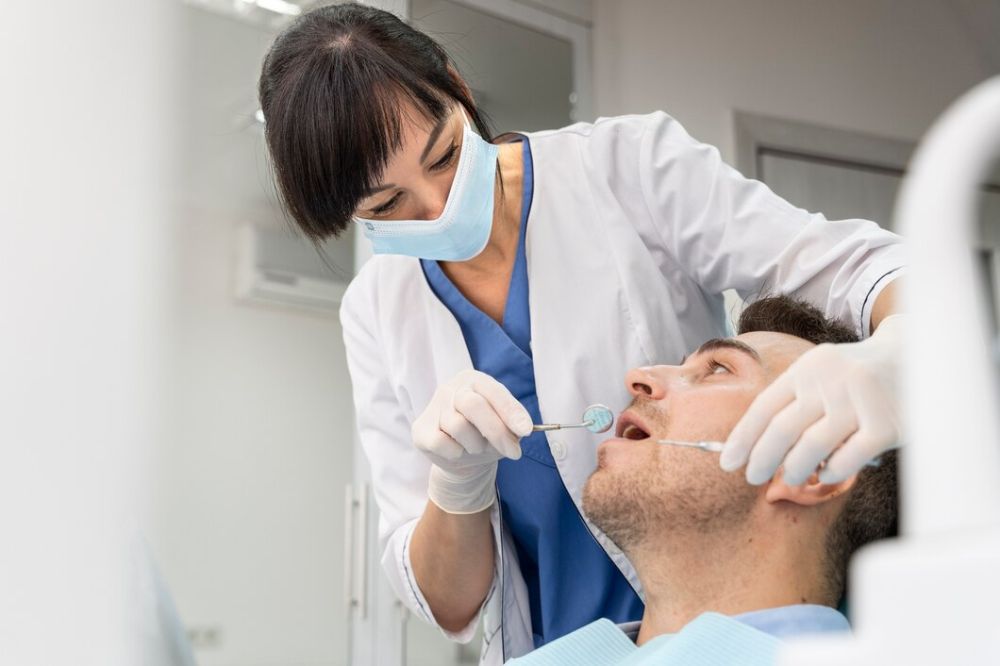
In some cases, certain dental issues may require a special type of treatment. One way to address these issues is through oral surgery. Many may get nervous at the mention of the word surgery; however, oral surgery in Blackfalds is frequently a safe and useful way of enhancing your overall health, as well as the health of your gums and teeth.
What Is Oral Surgery?
Oral surgery is a dental treatment that involves surgical procedures performed within the mouth. A dentist near you will perform oral surgery to treat oral-related problems. Unlike regular dental procedures such as check-ups and cleaning, oral surgery addresses issues that cannot be treated by simple dental care.
Examples of oral surgery procedures include
- Removing impacted wisdom teeth
- Placing dental implants
- Treatment for jaw-related issues
- Treatment for bone/gum issues
Oral surgery may appear to be complicated; however, with modern surgical techniques, most oral surgery procedures are safe and effective with little to no pain or discomfort.
When Do You Need Oral Surgery?
A dentist near you may suggest oral surgery if you are experiencing
- Impacted wisdom teeth that are severely painful and/or infected
- Missing teeth that require a dental implant
- Pain in the jaw, bite, or misaligned jaw
- A gum disease that requires invasive surgical treatment
- An oral injury from an accident
Oral surgery is not just about fixing people’s issues; it can help determine and prevent larger health problems from developing.
Benefits of Oral Surgery
The benefits of oral surgery go beyond improving your smile. Let’s look at how it supports both oral and overall health.
1. Relief from Pain
Infections in teeth—such as infected teeth, impacted wisdom teeth, and jaw issues—can cause severe pain. The procedure surgically helps remove the source of the problem and, once healed, provides long-lasting pain relief naturally.
2. Better Chewing and Speaking
Missing teeth and damaged teeth prevent you from chewing food and speaking properly. The replacement of teeth and restoration of chewing and speaking capabilities via dental implants and oral surgical procedures.
3. Prevents Further Oral Problems
When you treat an infection or disease with oral surgery, you are preventing the infection from spreading or the disease from developing. For example, if you have an infected tooth, you could infect the gums and then lose bone from the infected tooth.
4. Improves Appearance and Confidence
Dental implants, jaw correction, and other procedures will replace a lost function and improve what you look like; ultimately, this will influence your confidence and overall well-being.
5. Supports General Health
There is a link between oral and physical health. Untreated oral infections can affect the heart, lungs, and even blood sugar control. Oral surgery for better health means preventing these larger medical issues.
Common Oral Surgeries and Their Benefits
| Type of Oral Surgery | Purpose | Health Benefits |
| Wisdom Tooth Removal | Removes impacted or infected wisdom teeth | Prevents pain, infection, and crowding |
| Dental Implants | Replaces missing teeth | Restores chewing, speaking, and appearance |
| Jaw Surgery | Corrects misaligned jaw | Improves bite, chewing, and speech |
| Gum Surgery | Treats advanced gum disease | Prevents tooth loss and bone damage |
| Bone Grafting | Builds jawbone for implants | Supports implants and long-term oral health |
Oral Surgery for Better Health
Most people think of dental health as about how teeth look, when in fact, oral health contributes positively to your overall health. Mouth infections can permit bacteria entry to the bloodstream and lead to potentially serious heart issues or other medical issues. By addressing dental issues through surgery, you protect both your mouth and your body.
Some examples include
- Better Nutrition: Chewing properly allows you to eat a more varied and healthy diet.
- Better Sleep: Jaw surgeries may significantly decrease sleep apnea, promoting better sleep.
- Fewer infections from the mouth: By removing infected teeth or gingivitis, your likelihood of existing bacteria spreading decreases.
Oral Health Care After Surgery
After the surgery is completed, following good oral health care practices is important. Your dentist will instruct you on the care plan for your healing. It is likely to have instructions about
- Following medication instructions.
- Eating soft foods after surgery for many days and on average 10 days.
- Not smoking and avoiding alcohol consumption.
- Keep your mouth clean without touching the surgical area.
Following good aftercare will enable you to heal faster and also will contribute to the overall success of your surgery.
Finding a Dentist Near You
If you think you need oral surgery, the first step is to talk to a dentist near you. A dental professional will examine your mouth and complete any X-rays if required. If applicable, the dentist will explain why surgery is the best treatment option at that moment. Selecting a professional dentist assures that the surgery will not only be safe but also effective for treating your health situation.
Restore Your Smile and Improve Health With Oral Surgery!
Alpen Dental provides oral health care for patients of all ages. Our team provides general dental services, oral health surgery, and more to keep your smile healthy and strong. At Alpen Dental, we utilize modern dental techniques to provide every patient with safe and effective treatment. Call today to book your dental appointment with Alpen Dental.
Recent Blog